
When people hear that a supportive housing program has rules, schedules, curfews, and expectations, one word often comes to mind. Control.
And that word carries weight. Especially for adults who have spent time in correctional systems, institutional settings, or situations where other people made decisions about every aspect of their daily lives. The last thing someone rebuilding their life needs is to feel like they have simply traded one controlling environment for another.
So let us address this directly and honestly. What Hazel’s Tranquility Place provides is structure. Not control. The difference between those two things is significant. It is worth understanding clearly before you or someone you care about makes a decision about entering a residential program.
Call Now: 707-301-4051
Control Vs. Structure
Control is about power over another person. It removes agency. Also, it imposes rules for the benefit of the institution or the people running it. It does not explain itself. And it does not change based on the needs of the individual experiencing it.
Structure, on the other hand, exists for the person living within it. It is organized around their wellbeing, their recovery, and their growth. It is transparent about its purpose. And it is designed to build the person’s own internal capacity rather than replace it.
Here is the clearest way to understand the difference. Control asks: what does this system need? Structure asks: what does this person need?
At Hazel’s Tranquility Place, every expectation, every routine, and every house rule exists because it serves the resident’s genuine recovery and stabilization. Not because it makes the program easier to manage. Not because it asserts institutional authority. Because the evidence consistently shows that certain conditions support healing and others undermine it.
That is structure. And structure, when it is implemented with dignity and transparency, is one of the most powerful therapeutic tools available to vulnerable adults during a critical life transition.
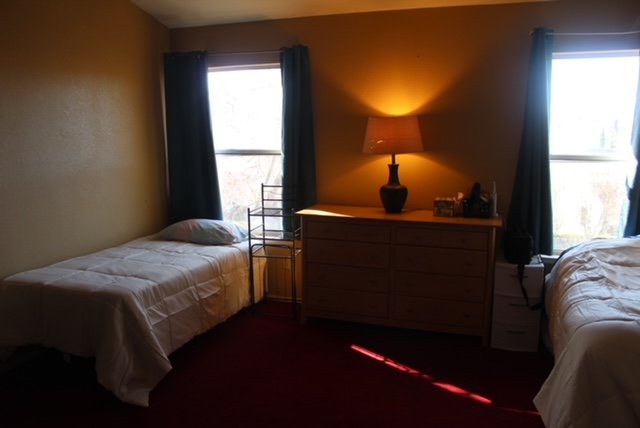
What Structure Looks Like at Hazel’s Tranquility Place
Structure at Hazel’s Tranquility Place shows up in specific, concrete ways. Each of them has a clear purpose that our team explains openly to every resident from day one.
Consistent daily routines
Our daily schedule includes set wake times, mealtimes, programming, and curfew. This is not arbitrary regimentation. It is clinical. Consistent daily routines reduce anxiety, rebuild the nervous system’s sense of safety, and create the predictability that recovering adults genuinely need.
Furthermore, many residents arriving at Hazel’s Tranquility Place have been living in chaos for months or years. Waking to a predictable day is itself stabilizing. It signals that today will be manageable. That tomorrow will look like today. That safety is real and not temporary.
Clear house expectations
Every resident receives a clear explanation of house expectations before or immediately upon arrival. Rules around substances, curfew, shared responsibilities, and community conduct are communicated directly and honestly. Residents know exactly what is expected of them.
Transparency is what separates structure from control. Control operates through surprise, arbitrary enforcement, and unpredictability. Structure operates through clarity. When residents understand the rules and the reasons behind them, those rules become a framework they can succeed within rather than a trap waiting to catch them.
Medication management support
Our staff monitor that residents are taking medications and following care plans. This monitoring is not surveillance. It is care. For adults managing psychiatric conditions or recovering from substance use disorder, medication consistency is one of the most critical factors in sustained stability.
Consistent medication adherence during a residential placement prevents the psychiatric decompensation and relapse that derail so many post-discharge recoveries. Our article on medication management in supportive housing why it matters for recovery covers in depth why this daily support is so clinically significant.
Programming participation
Residents participate in life skills programming, goal-setting sessions, and community activities. This programming exists because building practical capacity for independence is the whole point of a transitional housing placement. It is not busy work. It is preparation for what comes next.
Call Now: 707-301-4051
What Control Looks Like And Why Hazel’s Tranquility Place Is Different
To make the distinction concrete, here is what control looks like in a residential setting versus what structure looks like at Hazel’s Tranquility Place.
Control punishes difficulty. Structure responds to difficulty with curiosity and support. When a resident at Hazel’s Tranquility Place is struggling, our team’s first response is to understand what is happening and what that person needs, not to penalize them for having a hard day.
Control applies rules inconsistently based on who is on shift or who is liked. Structure applies expectations consistently and fairly to every resident regardless of relationship or circumstance. Consistency is what makes structure feel safe rather than arbitrary.
Control makes residents feel watched. Structure makes residents feel supported. There is a real difference in how those two things feel from the inside. Our staff engage with residents as full human beings working toward genuine goals, not as subjects of institutional oversight.
Control does not explain itself. Structure does. Every expectation at Hazel’s Tranquility Place comes with a reason. Curfew exists because consistent sleep supports recovery. Clean and sober living exists because environmental protection during the highest-risk window of stabilization saves lives. Medication monitoring exists because adherence prevents crisis. When residents understand the why, rules stop feeling like control and start feeling like care.
Control prioritizes compliance. Structure builds capacity. The goal of everything we do at Hazel’s Tranquility Place is to develop each resident’s own internal resources, their habits, their skills, their sense of agency, so that when they leave our program they carry those resources with them. That is the opposite of control. Control creates dependence. Structure builds independence.
Why Structure Matters Especially for Adults Who Have Experienced Control
Adults who have spent time in correctional systems, institutional settings, or controlling relationships often arrive at supportive housing programs with understandable skepticism about rules and schedules. That skepticism makes complete sense.
Institutional control damages people. It communicates that your judgment cannot be trusted, that your needs are secondary to the system’s needs, and that compliance is more important than growth. Adults who have internalized those messages need an experience that actively contradicts them.
Structure at Hazel’s Tranquility Place is designed to provide exactly that experience. Consequently, our approach is trauma-informed at its core. Staff engage with residents’ histories with genuine understanding rather than judgment. Rules are explained rather than imposed. And the autonomy and dignity of every resident are treated as non-negotiable throughout the placement.
Our article on what a safe and nurturing housing environment actually looks like for vulnerable adults covers in depth how emotional safety, consistency, and dignity-first practice create the conditions for genuine healing rather than institutional compliance.
Furthermore, our founder Councilmember K. Patrice Williams built Hazel’s Tranquility Place specifically on the belief that every person deserves to be treated with the same care and respect we would extend to our own family. That founding value is not a marketing statement. It is the operational standard that governs how our team engages with every resident every day.
Structure Supports Freedom
Here is something that surprises many residents in the early days of a placement. Structure actually creates more freedom, not less.
When you are not spending your mental energy managing chaos, you have capacity for other things. Planning. Learning. Building. Connecting. When your basic daily needs are organized and predictable, your mind is free to focus on the goals that brought you to a supportive housing program in the first place.
Additionally, the habits built within a structured residential placement become personal resources that residents own and carry forward. The budgeting skills, the medication routines, the daily organizational habits, none of these belong to the program when you leave. They belong to you. Structure, at its best, is the scaffolding that helps you build something that stands on its own.
Call Now: 707-301-4051
Frequently Asked Questions
Can residents make their own decisions about daily activities at Hazel’s Tranquility Place?
Yes, residents maintain significant personal agency over their daily lives within the framework of house expectations, and our team works with each resident individually to ensure that the program schedule supports rather than conflicts with their personal goals and commitments including employment.
What happens if a resident disagrees with a house rule?
Residents can raise concerns directly with our team and we welcome those conversations because structure works best when residents understand and buy into it rather than simply complying with it, and our team explains the reasoning behind every expectation openly and honestly.
How does Hazel’s Tranquility Place balance structure with residents’ need for autonomy?
We build structure around residents’ wellbeing and recovery goals rather than around institutional convenience, which means the daily framework is designed to create space for genuine personal development and autonomy rather than replacing it with compliance.
Is the structure the same for every resident or is it individualized?
Core house expectations apply consistently to every resident for safety and community reasons, but individual programming, goal-setting, and life planning are tailored to each person’s specific circumstances, history, and goals from day one.
How does Hazel’s Tranquility Place approach situations where a resident pushes back against structure?
Our team responds to resistance with curiosity and genuine engagement rather than punishment because we understand that pushback often reflects something important about what a resident is experiencing, and addressing that underlying reality is almost always more productive than simply enforcing compliance.
Structure Is How We Care
Every routine, every expectation, every check-in at Hazel’s Tranquility Place exists in service of one goal. Giving every resident the genuine best chance at stability, independence, and a life they actually want to live.
That is structure. And structure, implemented with dignity, transparency, and genuine care, is not something to fear. It is something to lean into. Because on the other side of it is the independence, the skills, and the confidence that make the next chapter of your life genuinely possible.
If you want to talk about what daily life at Hazel’s Tranquility Place actually looks like, we are ready to have that conversation honestly.
Call Now: 707-301-4051
Visit hazelstranquility.org or email care@solanoimpactcare.org to learn more or submit a referral today.