
Some situations are straightforward. A person needs housing, they access housing, and stability follows. But for many vulnerable adults, the path to stability is not that simple. Multiple challenges arrive at the same time. Housing instability does not exist in isolation. It sits alongside a behavioral health condition, a recent hospitalization, a substance use disorder, a criminal record, or a combination of all of these things at once.
When several challenges overlap, a standard housing solution rarely addresses all of them. And when it does not address all of them, the housing itself rarely lasts.
Adults with complex needs require something more intentional. More structured. More connected to the full picture of what is happening in their lives. Supportive housing exists precisely for this reason. And understanding what it offers, who it serves, and how it works is one of the most important things a family member, professional, or individual can know when navigating a difficult transition.
At Hazel’s Tranquility Place in Solano County, we work every day with adults whose situations involve multiple, overlapping challenges. This article explains what complex needs actually mean in a housing context, why shelter alone often falls short, and how supportive housing creates the foundation that stability genuinely requires.
What Does Complex Needs Mean in Supportive Housing?
The phrase complex needs sounds clinical. In practice, it simply means that a person is navigating more than one significant challenge at the same time. And those challenges interact with each other in ways that make each one harder to address in isolation.
Complex needs in a supportive housing context can include:
- Housing instability — moving between temporary arrangements, facing eviction, couch-surfing, or having no stable address
- Behavioral health conditions — serious mental illness, PTSD, anxiety, depression, or psychosis that affects daily functioning
- Substance use and recovery — active recovery from addiction or co-occurring substance use alongside other conditions
- Recent hospitalization — leaving a psychiatric unit, medical ward, or residential treatment program with nowhere appropriate to go
- Justice involvement — rebuilding after incarceration with active supervision requirements and limited housing options
- Difficulty living independently — challenges with daily tasks, medication management, appointments, budgeting, or self-care that make unassisted living currently unsafe or unsustainable
Importantly, no two people with complex needs look exactly the same. One person may be managing a psychiatric condition alongside housing instability. Another may be navigating early recovery while rebuilding after incarceration. A third may be leaving a hospital with a chronic medical condition and no safe discharge destination.
Each situation is unique. Consequently, effective supportive housing responds to the individual rather than applying a one-size-fits-all approach. At Hazel’s Tranquility Place, individualized care planning begins at intake and continues throughout every placement because complex needs require complex responses.
Download the Hazel’s Tranquility Place Fact Sheet
Why Shelter Alone May Not Be Enough
Shelter solves one problem. It provides a physical space where someone is not exposed to the elements. That matters. But for adults with complex needs, physical shelter alone rarely addresses the reasons someone is struggling to remain stable in the first place.
Consider what shelter typically does not provide:
Structure and routine: Emergency shelters operate on a come-and-go model. There is no consistent daily schedule, no organized programming, and no built-in accountability. For adults whose nervous systems are dysregulated by chronic stress, instability, or mental illness, the absence of predictable daily structure actively undermines recovery rather than supporting it.
Safety from triggering environments: A shelter bed does not create distance from the people, places, and situations most associated with a person’s substance use, criminal activity, or past crisis. Physical presence in a new building does not automatically produce the environmental protection that recovery requires.
Medication management: Adults managing psychiatric conditions or participating in Medication-Assisted Treatment need consistent, monitored medication adherence. Shelter environments rarely provide daily medication support. Without that support, the clinical stability achieved during a hospitalization or treatment program erodes quickly.
Accountability and connection: Stability is not simply the absence of crisis. It is an active state that requires ongoing accountability, genuine human connection, and consistent engagement with the goals and resources that move someone forward. Shelter provides a bed. It does not provide any of these things.
A path forward: Shelter is designed for the immediate crisis. It is not designed to address the underlying conditions that produced the crisis or to build the foundation for what comes next.
This is the gap that supportive housing fills. Not just for people experiencing homelessness, but for any adult whose complex needs exceed what an unstructured housing environment can support. Our article on is supportive housing only for people experiencing homelessness addresses this directly and clearly.
How Supportive Housing Helps People Regain Stability
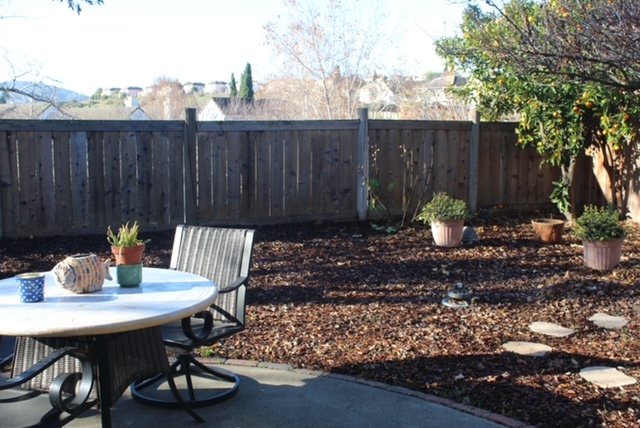
Supportive housing addresses complex needs through the deliberate integration of stable housing with practical, daily support services. The goal is not simply to house someone. It is to create the conditions in which genuine stabilization becomes possible.
Here is how that works in practice at Hazel’s Tranquility Place:
Creating daily routines
Consistent wake times, mealtimes, programming, and curfew give residents a predictable daily framework. For adults navigating mental illness, early recovery, or the disorientation of a major life transition, that predictability is itself therapeutic. It signals to the nervous system that the environment is safe. Consequently, anxiety decreases and the capacity for clear thinking and healthy decision-making increases.
Working toward personal goals
From the first day of a placement, our team works with each resident to develop an individualized life and stability plan. This plan identifies short-term and long-term goals across housing, health, employment, finances, and relationships. Goals give direction to the daily structure and create the forward-looking orientation that recovery requires.
Connecting to resources
Adults with complex needs frequently require access to multiple services simultaneously. Primary care. Behavioral health treatment. Substance use recovery support. Legal assistance. Benefits enrollment. Employment preparation. At Hazel’s Tranquility Place, our team actively connects residents to these resources rather than expecting residents to navigate the system independently.
Through our sister organization Solano Impact Care, residents access Enhanced Care Management, housing navigation, community resource connections, and employment support including the Match2Hire program that connects residents to fair-chance employers across Solano County. These resources do not wait until the end of a placement. They engage from day one.
Managing responsibilities with support
Daily responsibilities, including medication management, appointment attendance, household contributions, and program participation, are supported rather than assumed. Our staff monitor that residents are eating, taking medications, and following their care plans every day. External providers including physical therapists and wound care nurses are welcome to visit residents on-site.
This supported responsibility-building is not about doing things for residents permanently. It is about doing things with residents until they can do them independently. That distinction is what separates genuine supportive housing from dependency-creating institutional care.
Providing a stable environment during a vulnerable period
Stability itself is therapeutic. Research consistently shows that the experience of living in a safe, calm, predictable environment directly reduces psychiatric symptoms, improves medication adherence, and increases the brain’s capacity for the clear thinking and emotional regulation that recovery demands.
How Supportive Housing Supports the Transition to Independence
Supportive housing is not the final destination. For most residents, it is a bridge. A structured, supported, time-limited residential experience that builds the foundation for a genuinely stable independent life.
Here is how Hazel’s Tranquility Place actively supports that transition throughout every placement:
Employment readiness
Life skills programming covers resume building, interview preparation, budgeting, and understanding workplace expectations. Through the Match2Hire connection at Solano Impact Care, residents connect with employers who practice fair chance hiring and understand the population they serve. Our article on can I have a job while living in transitional housing explains how employment works within the program and why working during a placement accelerates the path to independence.
Life skills development
Cooking, budgeting, appointment management, communication, and independent living preparation are built into daily residential life. These are not one-time workshops. They are practiced repeatedly throughout the placement because genuine skill development requires repetition over time.
Securing longer-term housing
Housing navigation support through Solano Impact Care works with each resident individually to identify income, realistic housing options, waitlists, and applications. Their community support navigator brings personal experience navigating the local housing system, which means residents receive guidance from someone who genuinely understands the challenges they face.
Rebuilding community connections
Independence is not sustainable in isolation. Throughout every placement, our team connects residents to peer recovery groups, community organizations, faith communities, and employment environments that build the social fabric that independent living depends on. Community connection during the placement period creates the network that residents carry with them after transition.
Transition planning from day one
Transition planning begins at intake at Hazel’s Tranquility Place. It does not wait until the final weeks. Every conversation about goals, every resource connection, every life skill practiced is oriented toward the day a resident moves toward the next chapter with genuine readiness rather than simply reaching the end of a placement timeline.
Submit a Referral Today at hazelstranquility.org
Who May Benefit From Supportive Housing at Hazel’s Tranquility Place?
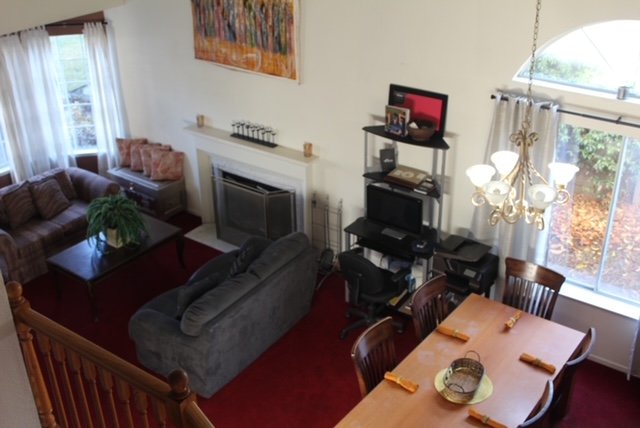
Hazel’s Tranquility Place serves adults in Solano County whose complex needs exceed what their current living situation can support. The program is not defined by a single qualifying condition. It is defined by the need for more than a standard home environment currently provides.
Adults who may benefit from placement at Hazel’s Tranquility Place include those who are:
Leaving the hospital with no appropriate discharge destination: Post-discharge recovery requires medication management, clinical coordination, daily structure, and a safe environment. For adults without a home environment equipped to provide these things, structured supportive housing prevents the readmission cycle that unstabilized discharge destinations produce.
Experiencing housing instability: Couch-surfing, frequent moves, unsafe living conditions, and imminent loss of housing all represent forms of housing instability that create the chronic stress undermining recovery. Stability itself changes outcomes.
Rebuilding after justice involvement: Returning from incarceration with complex needs, active supervision requirements, and limited housing options requires a specific kind of structured residential support. At Hazel’s Tranquility Place, we work directly with probation and parole officers throughout every justice-involved placement.
Navigating recovery from substance use or mental illness: Early recovery is fragile. The environmental protection, peer community, medication support, and daily structure of supportive housing give recovery the conditions it needs to take root and hold.
Needing additional structure before living independently: Some adults are not yet ready for the demands of fully independent living. Supportive housing builds the skills, habits, and resources that make independent living genuinely achievable rather than a premature next step that fails quickly.
Referrals to Hazel’s Tranquility Place are coordinated through Solano Impact Care and are open to hospital discharge planners, case managers, behavioral health partners, probation and reentry professionals, and families. Placement is free for qualifying members of Partnership HealthPlan of California and Kaiser Permanente.
Complex Needs Require More Than a Bed
Supportive housing for adults with complex needs is not a luxury or a last resort. It is a clinical and practical response to the reality that some situations require more than a standard housing environment can provide.
At Hazel’s Tranquility Place, we provide more. Safe, structured, home-like residential environments across Solano County. Daily professional support that respects every resident’s dignity. Active care coordination through Solano Impact Care. Life skills programming that builds genuine independence. And individualized transition planning that ensures every resident leaves with a real path forward, not just a departure date.
The goal is not to take away someone’s independence. It is to provide the stability and support they need to work toward it. For adults facing several challenges at once, the right housing environment can be the most important single intervention in the entire journey from instability toward a genuinely stable life.
If you or someone you know might benefit from what Hazel’s Tranquility Place provides, reach out today.
Call Now: 707-301-4051 or Visit hazelstranquility.org or emailcare@solanoimpactcare.org to submit a referral or learn more.