
Leaving the hospital feels like progress. And it is. The acute crisis has passed. The clinical team has done what medicine can do. You or someone you love is medically cleared and ready to move forward.
But here is what nobody tells you clearly enough in that discharge moment. The period immediately after hospitalization is one of the most vulnerable windows in the entire recovery journey. The medical stability achieved during an inpatient stay is genuinely fragile in the days and weeks that follow.
For many adults, that environment simply does not exist at home. Not because their families do not care. Not because they are not motivated to do well. But because the home environment, whether due to stress, chaos, the absence of support structures, or the presence of triggering situations, is not equipped to provide what recovery from hospitalization actually requires.
Structured housing fills that gap. For adults recovering from hospitalization in Solano County, a placement at Hazel’s Tranquility Place provides the safe, nurturing, professionally supported environment that makes the difference between a successful recovery and a preventable readmission.
This article is written from the perspective of the person recovering and their family. It explains what the post-hospitalization period actually requires, why structured housing addresses those requirements, and how to access the right support before the window of vulnerability becomes a crisis.
Call Now: 707-301-4051
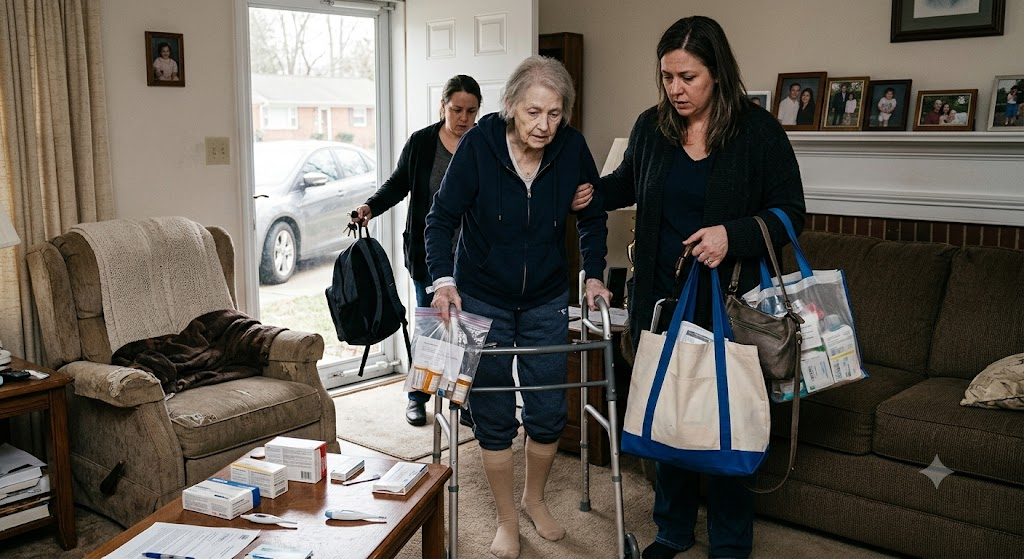
What Makes the Post-Hospitalization Period So Vulnerable
Understanding why readmission happens so frequently helps explain why the environment someone returns to after discharge matters so much.
Here is what the post-hospitalization period looks like from the inside:
The body and brain are still recalibrating
Whether someone has just left a psychiatric unit, a medical ward, or a substance use treatment program, their system is in a state of adjustment. Medications may have just been started or changed. Sleep patterns are disrupted. Energy levels are low. The brain’s capacity for clear decision-making, emotional regulation, and impulse control is not yet operating at full strength.
This is not a character issue. It is a physiological reality that affects every adult leaving inpatient care regardless of their diagnosis, their motivation, or their history.
Medication adherence is at its most fragile
The first weeks after discharge represent the highest-risk period for medication non-adherence. New prescriptions need to be filled. Complex regimens need to be managed without the nursing support that existed during hospitalization. Side effects that were managed during the inpatient stay may emerge differently in a home environment. And without someone monitoring adherence daily, missed doses can go unnoticed until they cause a significant problem.
The home environment often contains the same stressors that contributed to the hospitalization
For many adults, the living situation they return to after discharge is the same one that contributed to their health crisis in the first place. Household conflict, substance use by others in the home, financial stress, overcrowding, and the absence of daily structure all create conditions that directly undermine recovery.
Returning to an unchanged environment after treatment is one of the most reliable predictors of relapse and readmission across psychiatric, substance use, and medical discharge categories.
Follow-up appointments get missed
Post-discharge follow-up appointments are clinically essential. They are also the first thing to fall away when someone returns to an unsupported home environment. Transportation barriers, motivational challenges, competing demands, and the absence of anyone tracking appointment attendance all contribute to follow-up rates that are dramatically lower than discharge teams plan for.
The consequences of missed follow-up are serious. Medication adjustments that should happen do not. Warning signs that should be caught are not. And by the time a crisis develops, it has been building undetected for weeks.

What Structured Housing Provides That Home Cannot
Structured housing is not just a roof over someone’s head. It is a professionally designed residential environment built specifically around the needs of adults navigating critical transitions including recovery from hospitalization.
Here is what structured housing provides that a standard home environment typically cannot:
Daily medication management support
At Hazel’s Tranquility Place, trained staff provide hands-on medication management support from the day a resident arrives. Medications are organized, adherence is monitored daily, and concerns are communicated directly to prescribing providers rather than waiting for the next scheduled appointment. This single service eliminates one of the most significant and most preventable causes of post-hospitalization readmission.
A structured daily routine that supports healing
Recovery from hospitalization requires rest, regularity, and predictability. Our daily schedule at Hazel’s Tranquility Place includes consistent mealtimes, structured activities, personal development time, and designated rest periods. This structure reduces the stress and unpredictability that undermine healing and replaces it with the kind of organized daily rhythm that the recovering body and mind genuinely need.
Professional oversight that catches warning signs early
One of the most valuable things structured housing provides for adults recovering from hospitalization is daily professional presence. Staff who know their residents, who see them every day, and who are trained to recognize early warning signs of deterioration can identify and respond to concerns before they escalate into crises that require emergency intervention.
This is the function that home environments almost never provide. Family members who care deeply do not always know what to look for. And even when they do, they do not have the professional training to respond to what they see in the right way.
Separation from triggering environments
For adults whose hospitalization was connected to substance use, domestic conflict, or stress-related health crises, returning to the same environment after discharge puts them immediately back in the conditions most likely to produce a relapse or a medical deterioration. Structured housing creates physical and social distance from those triggers during the window when that distance matters most.
Active care coordination with clinical providers
At Hazel’s Tranquility Place, we do not operate as an isolated residential placement. We maintain active communication with each resident’s hospital discharge team, primary care physician, psychiatrist, therapist, and case manager throughout the placement. Follow-up appointments are tracked, transportation is supported, and clinical recommendations from the discharge summary are implemented from day one.
This coordinated approach ensures that the clinical work done during hospitalization continues rather than stalling the moment someone leaves the hospital.
Call Now: 707-301-4051
Who Benefits Most From Structured Housing After Hospitalization
Structured housing after hospitalization is most beneficial for adults whose living situation, health needs, or support system make successful independent recovery genuinely difficult. Here is a clear picture of who benefits most.
Adults who are strong candidates for structured housing following hospitalization include those who:
- Are being discharged to a living situation that lacks daily support, structure, or appropriate caregiving capacity
- Are managing a new or adjusted medication regimen that requires daily monitoring and support
- Have a history of previous hospitalizations that followed a return to an unsupported home environment
- Are in early recovery from substance use disorder and cannot safely return to environments associated with their addiction
- Are managing serious mental illness or co-occurring conditions that require daily professional oversight
- Live alone without a reliable daily support network
- Have family members who are willing to help but not equipped to provide the level of clinical support recovery requires
- Are navigating housing instability alongside their health recovery
If several of these apply to you or someone you love, the question to ask is not whether structured housing is necessary. The question is how quickly you can get it in place before discharge happens.
What Recovery From Hospitalization Looks Like Inside Hazel’s Tranquility Place
Hazel’s Tranquility Place provides structured, supportive housing in Solano County across three facilities including a men’s house in Glen Cove Vallejo, a women’s house in Cordelia Fairfield, and a third facility in Woodcreek Fairfield. Our program was created specifically to help adults stabilize during vulnerable transitions including recovery from hospitalization.
Here is what daily recovery looks like for a resident at Hazel’s Tranquility Place:
The first days
New residents arrive to a warm, home-like environment where staff are ready to receive them. The first priority is orientation, helping each new resident understand the daily schedule, the house expectations, and the support available to them. Medication management begins immediately, with staff reviewing the discharge medication list and establishing the daily support structure that adherence requires.
The first weeks
As residents settle into the routine, the focus expands from immediate stabilization to active recovery work. Life skills programming begins. Care coordination with external providers is established and maintained. Individual goal setting happens through the development of a personalized life and stability plan that gives each resident a clear map of where they are going and what support they have to get there.
Throughout the placement
Recovery from hospitalization is not linear. There are good days and harder ones. At Hazel’s Tranquility Place, staff are present through both, providing consistent support, catching early warning signs, and adjusting the care plan when circumstances change. Nobody goes through the recovery process alone inside our program.
As transition approaches
When a resident demonstrates readiness for the next step, transition planning shifts into focus. Permanent housing is identified and applied for. Clinical support connections are confirmed. Community resources are secured. And the move out of our program happens with intention and support rather than as a sudden discharge into an unplanned situation.
Our sister organization Solano Impact Care provides additional comprehensive care management and community resource navigation that extends beyond the residential placement itself, ensuring that the support network does not disappear when the residential portion of the journey ends.
For families supporting a loved one through this process, our article on the first 30 days after a crisis housing stability explains in detail why the post-hospitalization window is so critical and what structured housing provides during it.
Call Now: 707-301-4051
For Families — How to Use This Information Right Now
If your loved one is currently in a hospital or approaching discharge and you are worried about what comes next, here is what to do with everything you have just read.
Start the conversation before discharge happens
Do not wait until your loved one is home and struggling to start thinking about structured housing. The time to explore options is during the hospitalization, while there is still time to arrange a placement before discharge. Contact Hazel’s Tranquility Place as early in the process as possible.
Be honest about the home environment
Think carefully about whether your home can realistically provide what your loved one needs during the post-hospitalization period. Not whether you love them enough. Whether the environment has the structure, the professional support, and the absence of triggers that recovery genuinely requires. Being honest about this is one of the most important things you can do for your loved one right now.
Know that structured housing is a recovery tool, not a last resort
Choosing structured housing after hospitalization is not a sign that things have gone wrong or that your family has failed. It is a clinical decision to place your loved one in the environment most likely to support their recovery and prevent a return to the hospital. That is exactly what Hazel’s Tranquility Place is built to provide.
Reach out directly
You can contact Hazel’s Tranquility Place at 707-301-4051, by email at info@hazelstranquility.org, or through hazelstranquility.org. Placements are coordinated through our sister organization Solano Impact Care and our team will guide you through every step of the process.
For professionals coordinating discharge, our detailed guide on how hospital social workers can improve discharge outcomes through housing partnerships covers the referral process specifically from a clinical coordination perspective.
Recovery Deserves the Right Environment
Recovering from hospitalization structured housing readmission is a cycle that does not have to keep repeating. The research is clear. The mechanism is understood. And the solution, a safe, structured, professionally supported residential environment during the most vulnerable post-hospitalization window, is available right here in Solano County.
At Hazel’s Tranquility Place, we receive adults directly from hospital discharge and provide the structured, nurturing, accountable environment that genuine recovery requires. We have seen what happens when someone gets the right support at the right moment. The difference is real and it is lasting.
If someone you love is approaching discharge right now and you are worried about what comes next, do not wait to act. Reach out today.
Call Now: 707-301-4051
Visit hazelstranquility.org or email info@hazelstranquility.org to submit a referral.