
Every year, thousands of patients are discharged from hospitals across Solano County — and a significant number of them leave without a safe, stable place to go. For discharge planners and social workers, this is not a new problem. It is one of the most persistent and difficult challenges in the entire care continuum. You can stabilize someone medically. You can connect them with a treatment plan. But if they walk out of the hospital into homelessness, an unsafe home environment, or a situation with no support whatsoever, the work unravels fast.
The consequences are serious. Patients without stable post-discharge housing are significantly more likely to be readmitted within 30 days. They are more likely to miss follow-up appointments, stop taking medications, and deteriorate mentally and physically. For families, watching a loved one discharged into an unstable situation is terrifying — and for the healthcare system, avoidable readmissions are costly and exhausting.
Hospital discharge housing in Solano County is one of the most urgent gaps in the local care system. This guide exists to help you close it.
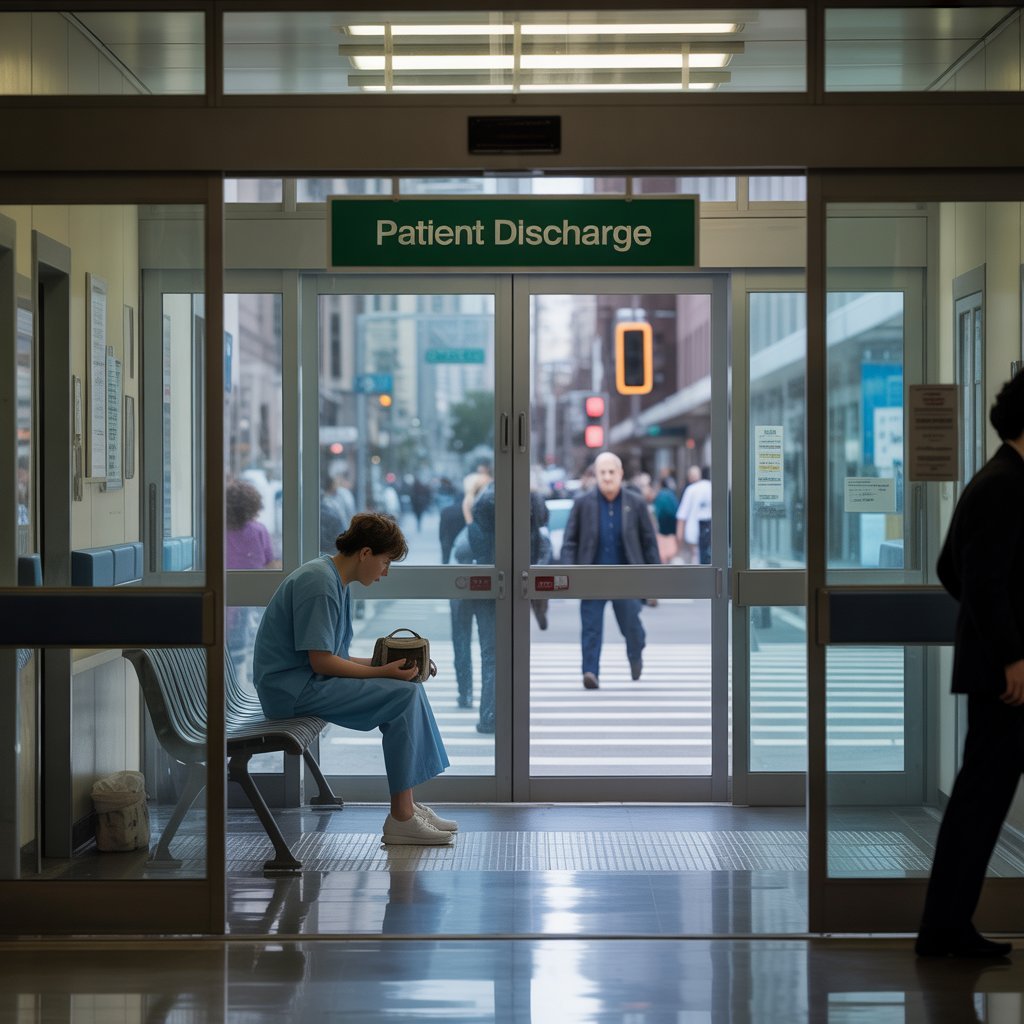
The Reality of Hospital Discharge Without Stable Housing
The discharge process is supposed to be a transition — from acute care to recovery. In practice, for many vulnerable adults, it becomes a cliff edge. The moment a patient is medically cleared, the clock starts ticking. And if there is no appropriate housing lined up, every hour that passes increases the risk of harm.
Here is what discharge planners and social workers face on the ground every day:
- Patients who are medically stable but behaviorally or functionally unable to live independently
- Family members who are willing but not equipped to provide the level of care needed at home
- Shelter options that lack the supervision, medication management, and structure these individuals require
- Long waitlists for permanent supportive housing that make immediate placement impossible
- Adults with serious mental illness, substance use disorders, or acquired brain injuries who have no appropriate residential option lined up
- Pressure from hospital administration to clear beds quickly — often before a truly safe plan is in place
The result is that many patients end up discharged to situations that are not truly safe — and they return to the emergency room within days or weeks. Hospital discharge housing in Solano County should not be this hard to navigate. That is exactly why Hazel’s Tranquility Place exists.
Contact Us for Bed Availability at hazelstranquility.org
Why Safe Post-Discharge Housing Is a Medical Decision
There is a tendency to treat housing as a social services issue — something separate from the clinical work of a hospital. That framing is a mistake. Where a patient goes after discharge is as much a medical decision as the treatment they received while admitted.
Here is why hospital discharge housing in Solano County has a direct impact on clinical outcomes:
- Medication adherence — Patients discharged to unstructured environments frequently stop taking prescribed medications within days. Without someone to support consistency, psychiatric and medical conditions deteriorate rapidly.
- Follow-up appointment rates — Patients without stable housing miss follow-up appointments at dramatically higher rates. Without those appointments, treatment plans fall apart and warning signs go undetected.
- Mental health stability — Stress, instability, and unsafe environments are direct triggers for psychiatric decompensation. A calm, structured residential setting is itself therapeutic.
- Substance use relapse — Adults in recovery who return to chaotic or triggering environments are at high risk of immediate relapse. Structured housing removes many of those environmental triggers.
- 30-day readmission rates — Studies consistently show that patients with unstable post-discharge housing situations are readmitted at significantly higher rates. Safe housing is one of the most powerful readmission prevention tools available.
- Physical health recovery — For patients managing chronic illness or recovering from a medical procedure, proper rest, nutrition, and routine are essential. Shelter environments and unstable home situations rarely provide any of those.
For discharge planners, recommending appropriate hospital discharge housing in Solano County is not stepping outside your clinical role. It is fulfilling.
What We Offer for Post-Discharge Stabilization
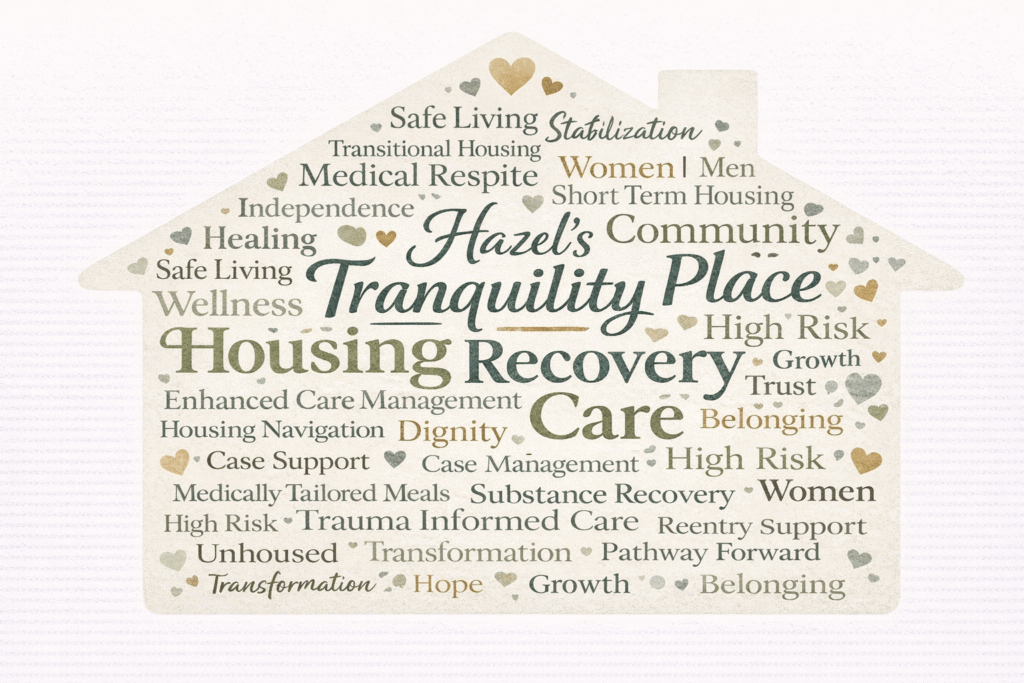
Hazel’s Tranquility Place is a residential supportive housing program in Solano County specifically designed to serve adults who need more than a shelter bed but do not require inpatient-level care. We fill the space between the hospital and independent living — and we do it with structure, professional support, and individualized care.
Here is a detailed breakdown of what we provide for post-discharge residents:
1. Safe, Supervised Residential Accommodations
Our facility is clean, comfortable, and professionally staffed. Residents live in a home-like environment with on-site staff who are trained to respond to behavioral health needs, medical concerns, and daily living challenges. This is not a shelter, it is a supervised residential setting built for people coming out of clinical care.
2. Medication Management
One of the most common reasons patients deteriorate after discharge is medication inconsistency. Our staff provide hands-on medication management support — organizing medications, monitoring adherence, and flagging concerns to treatment providers. For residents managing psychiatric conditions, this alone dramatically reduces the risk of decompensation and readmission.
3. Structured Daily Routine
Hospital discharge housing in Solano County that actually supports recovery is not passive. Our daily programming includes structured mealtimes, therapeutic activities, scheduled appointments, and designated rest periods. Routine is stabilizing, especially for adults with serious mental illness, traumatic brain injuries, or co-occurring disorders.
4. Behavioral Health Support
Our staff are trained to recognize and respond to behavioral health challenges. We work closely with each resident’s existing mental health providers to ensure that behavioral support in the residential setting aligns with the clinical goals established during hospitalization.
5. Care Coordination with Your Team
We do not operate as a separate silo. When a patient is placed with us post-discharge, we actively coordinate with the discharging hospital team, primary care providers, psychiatrists, therapists, and case managers. Information flows in both directions so that nothing falls through the cracks.
6. Transition Planning from Day One
Every resident who enters our program has a transition plan developed from the start. We work with residents and their care teams to identify realistic next steps, whether that is permanent supportive housing, independent living with outpatient support, or another level of care — and we build toward that goal throughout the placement.
Contact Us for Bed Availability at hazelstranquility.org
Who We Serve
Not every discharged patient requires the same level of post-hospital support. Hazel’s Tranquility Place is designed for a specific population, adults who are medically stable but who have significant functional, behavioral, or psychosocial needs that make immediate independent living unsafe or unrealistic.
The following are strong indicators that hospital discharge housing in Solano County at our level of care is appropriate:
- The patient has a serious mental illness (schizophrenia, bipolar disorder, major depression with psychosis) and cannot manage independently without daily support
- The patient is in early recovery from substance use and needs a structured, sober residential environment with professional oversight
- The patient has an acquired brain injury or neurological condition that affects daily functioning and requires supervision
- The patient has a history of psychiatric hospitalizations and no stable housing to return to
- The patient’s home environment is unsafe, due to domestic violence, overcrowding, the presence of substances, or a lack of appropriate caregiving capacity
- The patient is elderly or physically disabled and requires assistance with activities of daily living in a supervised residential setting
- Family members are willing to be involved but cannot provide the level of daily support the patient requires
If you are reviewing a discharge case and any of these apply, Hazel’s Tranquility Place may be the right next step. Contact our team directly to discuss the specifics.
Coordinating Care Between Hazel’s Tranquility Place and Your Medical Team
One of the most important things we want discharge planners and social workers to know is this: placing a patient with us does not end your team’s involvement. It continues it — in a more manageable, structured form.
Here is how care coordination works between Hazel’s Tranquility Place and referring medical and behavioral health teams:
- Intake information sharing: At the time of referral, we gather a full picture of the patient’s medical history, current medications, behavioral needs, and discharge instructions. Nothing gets lost in the handoff.
- Named care team contacts: We identify and maintain contact with the key professionals on each resident’s care team — psychiatrist, primary care provider, case manager, therapist, and communicate with them regularly.
- Scheduled check-ins: For complex residents, our team participates in scheduled care coordination calls with referring providers to review progress and adjust the care plan as needed.
- Incident communication:If a resident experiences a behavioral health crisis, a medication concern, or a significant change in condition, we contact the appropriate clinical contacts immediately, not after the fact.
- Discharge summary utilization: We review and implement the recommendations in the hospital’s discharge summary as part of our intake process, ensuring clinical continuity from day one.
- Appointment support: We assist residents in attending all follow-up appointments — transportation coordination, reminders, and accompaniment when needed, so that post-discharge care plans are actually followed through.
Hospital discharge housing in Solano County works best when the residential provider is a genuine partner in care, not just a placement destination. That is the standard we hold ourselves to.

For Families: What to Expect When a Loved One Transitions to Our Program
For families, a hospital discharge is often one of the most stressful moments in the entire experience of a loved one’s illness. You want them to be safe. You may feel pressure to take them home even if you know that is not the right decision. And you may not know what questions to ask or what to look for in a residential placement.
Here is what families should know about hospital discharge housing in Solano County at Hazel’s Tranquility Place:
- You are not abandoning your loved one. Choosing professional residential care is choosing the level of support that gives them the best chance of real recovery. That is an act of love, not a failure.
- You will stay informed. We communicate clearly and consistently with families — with resident consent — about how their loved one is doing, what the daily routine looks like, and what the plan forward involves.
- Your input matters. Families often hold critical information about a person’s history, triggers, preferences, and goals that clinical records do not capture. We welcome that knowledge and incorporate it into care planning.
- We will tell you honestly if we are not the right fit. If a loved one’s needs exceed what our program provides, we will tell you clearly and help you identify a more appropriate option rather than accept a placement that will not serve them well.
- There is a path forward. A placement with us is not permanent by default. It is a stabilization step, one part of a longer journey toward a more independent life.
Steps for Discharge Planners to Secure a Bed at Hazel’s Tranquility Place
We have designed our referral and intake process specifically to work within the realities of hospital discharge planning — fast timelines, complex documentation, and the need for clear communication at every step.
Here is exactly how to move forward:
Step 1: Contact us early
Do not wait until the day of discharge to reach out. The earlier you contact us in the discharge planning process, the more time we have to review the case, confirm fit, and prepare for a smooth transition. Visit hazelstranquility.org or call us directly to initiate a conversation about current bed availability.
Step 2: Prepare a clinical summary
When you contact us, have the following ready:
- Patient’s full name, date of birth, and current location
- Primary diagnoses — psychiatric, medical, and any co-occurring conditions
- Current medication list and prescribing providers
- Functional assessment — level of assistance needed for activities of daily living
- Behavioral history — any history of aggression, elopement, or self-harm relevant to a community residential setting
- Discharge summary or working draft
- Insurance or funding source information (Medi-Cal, SSI/SSDI, county funding, private pay)
- Contact information for the primary case manager or social worker
Step 3: We conduct an intake review
Our clinical team reviews the information provided and assesses whether the patient is an appropriate fit for our program. We aim to complete this review and provide a clear response within one business day.
Step 4: Placement confirmation and transition coordination
Once a placement is confirmed, we work directly with your team to coordinate the transition — including transport arrangements, medication handoff, and introductory communication with the patient before arrival where possible.
Step 5: Ongoing communication post-placement
After admission, your team will have a named contact at Hazel’s Tranquility Place for ongoing communication. We do not go silent after placement.
Contact Us for Bed Availability at hazelstranquility.org
Frequently Asked Questions
Q: How quickly can a bed be secured for a patient being discharged from a Solano County hospital?
We prioritize discharge referrals and aim to complete our intake review within one business day of receiving a complete referral, so the sooner you contact us in the discharge planning process, the faster we can confirm availability and begin coordinating the transition.
Q: What funding sources does Hazel’s Tranquility Place accept for post-discharge placements?
We accept a range of funding sources including Medi-Cal, SSI/SSDI, county-funded programs, and private pay arrangements, and our team can help you identify which options apply to your specific patient during the referral process.
Q: What happens if a resident’s needs change or escalate after placement?
Our staff monitor residents closely and maintain active communication with the clinical care team, so if a resident’s condition changes significantly, we respond quickly, coordinating with providers, adjusting the care plan, or facilitating a higher level of care if needed.
Q: Can Hazel’s Tranquility Place accommodate patients with both psychiatric and substance use histories?
Yes, our program is experienced in supporting adults with co-occurring mental health and substance use conditions, and our structured environment and trained staff are specifically equipped to provide the kind of consistent, supervised support that dual-diagnosis residents require.
Q: Is hospital discharge housing in Solano County at your facility a long-term placement?
Our program is designed as a stabilization placement, not a permanent residential solution. We work with every resident and their care team to build a transition plan toward the most appropriate long-term setting, whether that is permanent supportive housing, independent living, or another care level.
Do Not Let Discharge Become a Crisis
A hospital discharge is supposed to be a step forward. When stable, appropriate housing is not in place, it becomes a step backward, sometimes a dangerous one. Hospital discharge housing in Solano County should not be the hardest part of the process.
At Hazel’s Tranquility Place, we exist to make this step manageable — for discharge planners, for families, and most importantly, for the patients who deserve a real chance at recovery. We have the structure, the staff, and the community connections to receive patients directly from discharge and support them toward genuine stabilization.
If you have a patient approaching discharge with no safe housing option in place, do not wait.
Contact Us for Bed Availability @hazelstranquility.org