
Housing instability is not just a housing problem. It is a health crisis, a mental health crisis, and a community crisis all at once. Across Solano County, thousands of adults are living on the edge of homelessness, carrying the weight of unstable living conditions on top of everything else. Some are sleeping in cars or motels, couch-surfing between family members who are themselves stretched thin. Some have just been discharged from a hospital with nowhere safe to go.
What makes housing instability so devastating is not just the absence of a physical address. It is the way that instability bleeds into every other area of life. Also, it makes it harder to manage health conditions, maintain sobriety, and stay connected to the support systems that recovery depends on. It is a destabilizing force that works against everything a person is trying to build.
Housing instability support in Solano County exists to interrupt that cycle. At Hazel’s Tranquility Place, we provide structured residential care that moves vulnerable adults from crisis to genuine stability. This guide is for case managers, community organizations, and individuals facing homelessness who are looking for real solutions.
The Impact of Housing Instability on Mental and Physical Health
The research is clear. Unstable housing does not just reflect poor health. It causes it. Vulnerable adults managing mental illness, substance use disorders, or trauma carry an extra burden. For them, housing instability is not a background stressor. It is a front-line threat.
Here is how housing instability damages mental and physical health across multiple dimensions:
Mental Health
- Chronic housing instability is directly associated with higher rates of depression, anxiety, and post-traumatic stress disorder
- The constant question of where you will sleep tonight wears the nervous system down. Over time, that stress erodes mental health directly.
- For individuals managing serious mental illness, housing instability removes routine and predictability. That loss is deeply destabilizing. It raises the risk of psychiatric crisis significantly.
- Shame and stigma associated with homelessness compound existing mental health challenges and create barriers to seeking help
- Social isolation, which is a frequent consequence of housing instability, is one of the strongest predictors of mental health deterioration
Physical Health
- People experiencing housing instability have dramatically higher rates of emergency room utilization, often because they have no consistent primary care and conditions that could be managed with routine support escalate into crises
- Exposure to unsafe living conditions, poor nutrition, inadequate sleep, and extreme weather takes a measurable toll on physical health over time
- Medication management becomes nearly impossible without a stable address and a consistent daily environment, leading to deterioration in conditions that would otherwise be controlled
- Chronic stress from housing instability weakens immune function and accelerates the progression of existing health conditions
- Adults with physical disabilities or chronic illness who lose stable housing face compounded risks because their conditions require consistent management that unstable environments cannot support
Housing instability support in Solano County that addresses these health dimensions is not just a social service. It is a medical intervention. And the earlier it happens, the better the outcomes.
Submit a Referral Today — hazelstranquility.org
Moving From Crisis to Stability — The Hazel’s Tranquility Place Model
At Hazel’s Tranquility Place, we have built our residential program around a single core conviction: that the path from housing crisis to genuine stability requires more than just a bed. It requires structure, professional support, individualized planning, and a community that holds people accountable while treating them with dignity.
Our model is designed to serve vulnerable adults who are in the acute phase of housing instability and need a supported residential placement to stabilize before they can move toward independence. We are not a shelter or a permanent housing program. We are the critical middle step that makes both shelter and permanent housing more successful — the stabilization bridge.
Here is how our model works in practice:
1. Immediate, Structured Placement
When a referral comes in, we move quickly. We understand that housing instability support in Solano County often needs to happen fast — when someone is being discharged from a hospital, exiting a crisis program, or in an acutely unsafe situation. Our intake process is designed to be efficient without sacrificing the thoroughness needed to set each resident up for success.
2. A Safe, Home-Like Environment
Our facility is clean, well-maintained, and designed to feel like a real home. This matters more than it might seem. For individuals who have been living in chaos, danger, or uncertainty, the experience of entering a calm, organized, dignified residential environment is itself therapeutic. It signals that things can be different.
3. Daily Structure and Programming
We provide a structured daily schedule that includes mealtimes, house programming, individual appointments, and designated time for personal development activities. Structure reduces the anxiety and idle time that make instability worse. It also begins to build the habits and routines that independent living requires.
4. On-Site Staff Support
Our trained staff are present and engaged every day. They assist residents with medication management, daily living challenges, behavioral health needs, and connection to community resources. Residents are not left to navigate the complexity of their situation alone — they have a professional support system in place from day one.
5. Individualized Care Planning
Every resident at Hazel’s Tranquility Place receives an individualized care plan developed in collaboration with their existing providers and case managers. This plan identifies their current needs, their short-term stabilization goals, and their longer-term housing and life goals — and it guides everything we do during their time with us.
6. Coordination With Community Partners
We actively coordinate with case managers, social workers, behavioral health providers, benefits counselors, and housing navigators across Solano County. Housing instability support in Solano County works best when every part of the system is communicating and aligned. That coordination is built into how we operate.
The Importance of Life Planning and Readiness for the Next Housing Step
One of the most important things that distinguishes Hazel’s Tranquility Place from a basic residential placement is our commitment to life planning. Stabilization is the beginning, not the end. Our goal is not just to give someone a safe place to stay — it is to use that time strategically so they leave more prepared for independence than when they arrived.
Here is why life planning matters so much in addressing housing instability support in Solano County:
- Without a concrete plan, people who exit residential programs often cycle directly back into the instability that brought them there in the first place
- Life planning addresses the underlying factors that contributed to housing instability, not just the immediate housing need
- Having clear goals and a mapped path forward increases motivation and engagement during the residential placement
- Practical skills built during a residential placement — budgeting, cooking, communication, appointment management — directly increase the likelihood of maintaining housing after transition
- Connecting residents to the right long-term housing resources before they leave ensures that the next step is already secured rather than scrambled for at the last minute
Here is what life planning looks like at Hazel’s Tranquility Place:
During Intake
We begin life planning conversations at intake by exploring each resident’s goals, strengths, barriers, and existing resources. What does stable look like for this person? Also, what has gotten in the way before? What do they need to build or access to make this time different? These questions shape the individualized plan from day one.
Throughout the Placement
Life planning is ongoing, not a one-time conversation. During the placement, our staff work with residents on:
- Benefits enrollment and financial planning, including Medi-Cal, CalFresh, General Assistance, and SSI/SSDI where applicable
- Employment readiness, job search support, and connection to vocational programs in Solano County
- Legal obligation management where relevant, including coordination with probation or parole officers
- Health care engagement, including connection to primary care, behavioral health, and specialty services
- Family relationship support and communication where appropriate and helpful to the resident’s goals
As Transition Approaches
We begin formal transition planning well before a resident’s projected move-out date. This includes identifying and securing appropriate permanent or longer-term housing options, confirming that clinical and community supports will continue after transition, and preparing the resident practically and emotionally for the next step. We do not discharge people into the unknown. We transition them with a plan, a network, and the skills to use both.
Submit a Referral Today — hazelstranquility.org
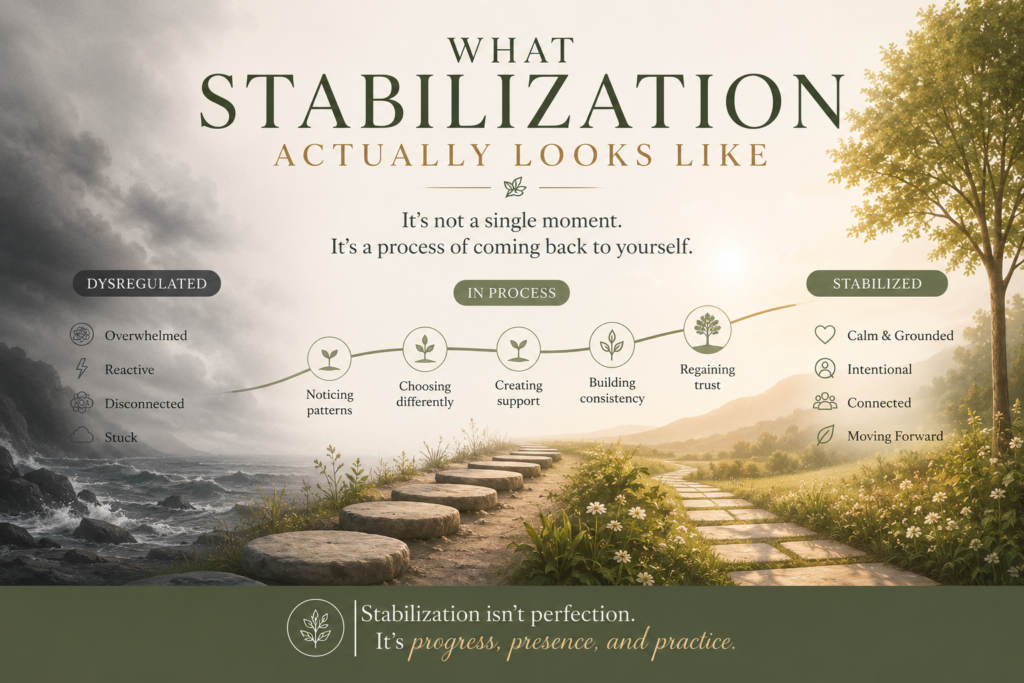
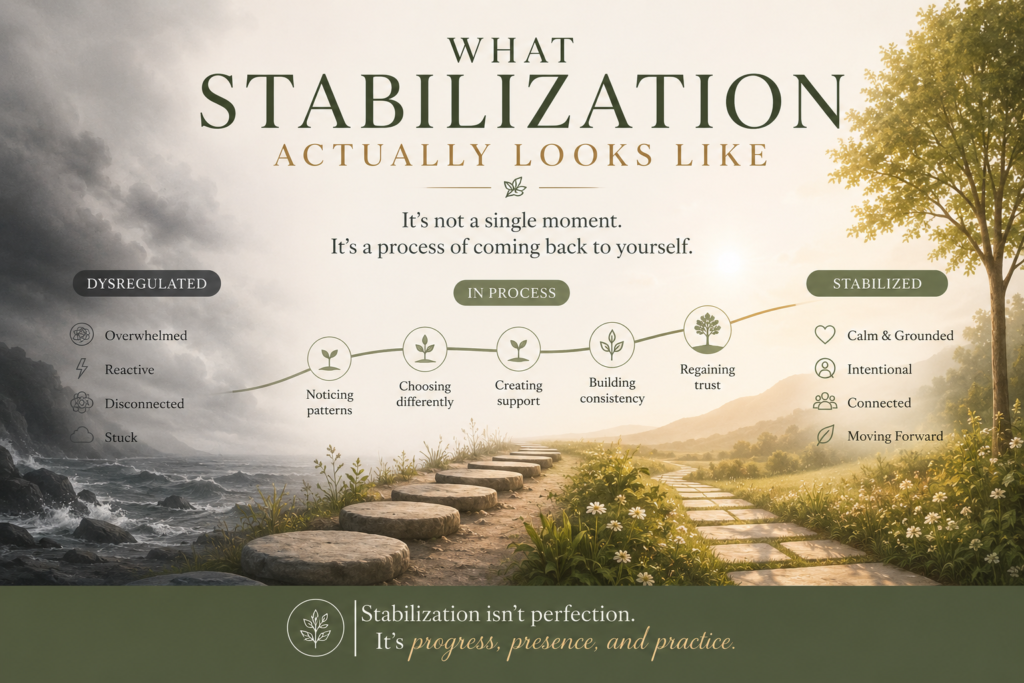
Outcomes That Matter — What Stabilization Actually Looks Like
Housing instability support in Solano County is only meaningful if it produces real change in people’s lives. At Hazel’s Tranquility Place, we measure our work by the outcomes. These are not abstract metrics. They are the concrete markers of lives moving in a better direction.
Here is what successful stabilization looks like for the residents we serve:
Reduced Emergency Service Utilization
Many residents come to us after years of cycling through emergency rooms, crisis services, and hospitals. It becomes a pattern that is hard to break without the right environment in place. Once they enter our program, that pattern begins to shift. A stable address makes a difference. Consistent medication management makes a difference. Having professional support available every day makes a difference. Together, these things reduce the frequency of crises significantly. Residents stop ending up in emergency rooms for situations that could have been managed with proper daily support. That change shows up both during their placement and long after they have transitioned out.
Improved Medication Adherence
One of the clearest and most consistent outcomes we see is improved medication consistency. When residents have staff support, a daily routine, and a safe environment, they stay on their prescribed medications. This has downstream effects on psychiatric stability, physical health management, and overall functioning.
Increased Benefits Enrollment
Many residents who come to us are not enrolled in the benefits they are entitled to — Medi-Cal, CalFresh, SSI/SSDI, General Assistance. Our life planning process helps residents access these benefits during their placement, which has a direct impact on their financial stability and capacity to maintain housing after transition.
Successful Housing Transitions
The most meaningful measure of our work is whether residents successfully transition to appropriate longer-term housing at the end of their placement. We track this outcome carefully and work actively to ensure that every resident leaves with a housing plan in place, not a hope that something will work out.
Strengthened Community Connections
Residents who complete our program leave with stronger connections to the community resources they need to stay stable — healthcare providers, behavioral health services, peer support networks, employment programs, and housing navigators. These connections are among the most important protective factors against returning to housing instability.
Restored Family Relationships
For many residents, housing instability has damaged relationships with family members who were trying to help but did not have the capacity to provide what was needed. The stability and growth that happens during a residential placement at Hazel’s Tranquility Place often creates the conditions for those relationships to begin healing.
Who We Serve — Is Our Program the Right Fit?
Housing instability support in Solano County looks different for different individuals, and it is important that referrals match the person’s needs with the right level and type of care. Hazel’s Tranquility Place is designed for adults who need more than a shelter bed but do not require inpatient or locked-facility-level care.
Strong candidates for referral to our program include adults who:
- Are experiencing acute housing instability or homelessness in connection with a mental health condition, substance use disorder, physical disability, or co-occurring challenges
- Are transitioning from a hospital, psychiatric facility, detox program, or residential treatment program without a safe housing destination
- Have a history of cycling through crisis services, shelters, or emergency rooms and need a more structured, supported residential placement to break that cycle
- Are medically stable but require daily support with medication management, personal care, or independent living activities
- Are not currently able to manage independent living safely due to functional, behavioral, or psychosocial challenges
- Are adults 18 and older who are willing to engage with programming and meet reasonable house expectations
- Are working with a case manager, social worker, or community organization that can coordinate with our team
If you are unsure whether a specific individual is an appropriate fit for our program, contact us. We will have a direct, honest conversation and help identify the right option even if it is not us.
Submit a Referral Today — hazelstranquility.org
How Community Partners Can Coordinate With Us for Immediate Placement
We built our referral process around the realities of your work. The urgency. The complexity. The need for a partner who responds and communicates reliably. We are here to make your job easier, always.
Here is what coordinating with Hazel’s Tranquility Place looks like:
What We Need From You
To assess fit and move toward placement as quickly as possible, please have the following ready when you contact us:
- Individual’s full name, date of birth, and current location
- Current living situation and recent housing history
- Primary diagnoses — psychiatric, medical, substance use, or co-occurring
- Current medications and prescribing providers
- Functional assessment, including level of support needed for daily living activities
- Any behavioral history relevant to a community residential setting
- Current benefits status and funding source for residential placement
- Your contact information as the referring case manager or organization
What You Can Expect From Us
- A prompt response to your referral — we aim to complete an initial intake review and provide a clear answer within one business day
- Honest communication about whether our program is the right fit, and active help identifying alternatives if it is not
- Consistent updates on your client’s progress throughout the placement
- Participation in case conferences and care coordination meetings as needed
- Transparent communication about any incidents, behavioral concerns, or changes in the resident’s needs or status
- Active collaboration on transition planning so that the handoff to the next housing step is smooth and well-supported
How to Submit a Referral
Visit hazelstranquility.org to complete our online referral form, or contact us directly by phone to discuss current bed availability and begin the intake process. The sooner you reach out, the sooner we can confirm fit and begin coordinating a placement.
Submit a Referral Today — hazelstranquility.org
Frequently Asked Questions
Q: What makes Hazel’s Tranquility Place different from a shelter when it comes to housing instability support in Solano County?
A shelter provides a bed and basic safety. We provide much more than that. Our program offers a fully structured residential environment. On-site professional staff are present every day. We build individualized care plans for every resident. We support medication management, life skills, and community coordination. The goal is not just a safe place to stay. We use every day of the placement to stabilize, plan, and prepare. Residents leave ready for the next housing step, not hoping for it.
Q: How quickly can a placement be arranged for someone in an acute housing crisis?
We prioritize urgent referrals. Our team completes intake reviews and provides a placement decision within one business day. We know that housing instability support in Solano County often needs to happen fast. Contact us early. The more information you share upfront about the individual’s situation and clinical history, the faster we can move.
Q: What funding sources does Hazel’s Tranquility Place accept?
We accept Medi-Cal, SSI/SSDI, county-funded programs, and private pay. Our team helps case managers identify which funding option applies during the referral process. Not sure about funding? Contact us anyway. We will work through the options with you. Funding uncertainty should never be the reason someone does not get the help they need.
Q: Can individuals refer themselves to your program, or does it need to go through a case manager?
Individuals can contact us directly. We welcome self-referrals. We also accept referrals from case managers, community organizations, hospitals, treatment programs, and families. Whoever reaches out, the process is the same. We conduct a thorough intake review to assess fit and make sure the placement is right for the individual.
Q: What happens when a resident is ready to leave the program?
We start transition planning well before move-out day. Our team works with the resident and their care team to identify longer-term housing options. We confirm that clinical and community supports will continue after leaving. Also, we make sure the resident has the practical skills and connections to stay stable. We do not call a placement complete until the next step is secured. The resident leaves prepared, not uncertain.
Stability Is Not a Destination, It Is a Direction
Housing instability is not a character flaw. It is a circumstance — one that can be changed with the right support, the right structure, and the right partners working together. Housing instability support in Solano County that actually works is not just about filling a bed. It is about walking alongside someone through the transition from crisis to stability and giving them the tools, the time, and the environment they need to make that change stick.
At Hazel’s Tranquility Place, that is exactly what we do. We serve the people that other systems struggle to serve — the ones with complex needs, difficult histories, and no obvious easy answers. We meet them where they are and we work with them toward where they want to be.
If you are a case manager with a client in crisis, a community organization looking for a trusted residential partner, or an individual who is ready for something different, we are here. Reach out today and let us figure out the next step together.
Submit a Referral Today — hazelstranquility.org